Gymnema And Appetite: The ‘Sugar Destroyer’, Explained
Gymnema sylvestre temporarily blocks the tongue's ability to taste sweetness, a genuinely reproducible effect that is the origin of its traditional name.
Whether that translates into meaningfully reduced sugar cravings in a swallowed capsule or drop is a separate and less certain question.
The reproducible party trick
Chew a gymnema leaf, or hold a concentrated extract on your tongue, and for the next fifteen to thirty minutes sweet foods taste flat — sugar like sand, chocolate like plain cocoa fat. The effect is specific to sweetness; salt, sour and bitter tastes are unaffected.
The proposed mechanism: gymnemic acids are structurally similar enough to sugar molecules to occupy the sweet-taste receptors on the tongue without activating them, temporarily blocking the receptor site. This is a real, well-documented phenomenon, not folklore.
Why this matters for appetite specifically
If sweet food genuinely tastes less appealing, the theory goes, you may reach for it less. Some traditional and modern use of gymnema for weight and appetite support is built on exactly this reasoning — blunt the reward, reduce the craving.
It is a plausible mechanism. It is also one that depends entirely on direct tongue contact.
What else Gymnema is studied for
Beyond the taste mechanism, Gymnema has been researched for effects on intestinal glucose absorption and pancreatic function, independent of taste. This is where most of its published research on PubMed actually sits — not on appetite via taste-blocking, but on glucose metabolism through other pathways.
So Gymnema's genuine, better-evidenced role is more about glucose handling than appetite suppression, even though the taste story is the more memorable one.
Dose is, again, the sticking point
Research doses for Gymnema extract typically run in the hundreds of milligrams, often standardised to a specific gymnemic acid percentage. In a formula where Gymnema shares a 200 mg blend with twenty-one other ingredients, the amount present is necessarily a fraction of that.
Applying this to a liquid drop specifically
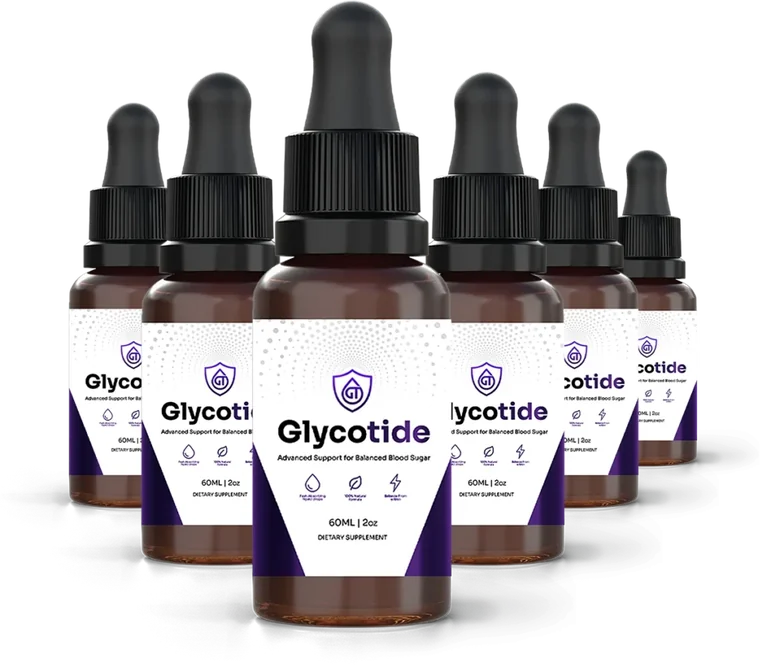
This is worth calling out directly for a product like GlycoTide, which includes Gymnema in a liquid meant to be held under the tongue. If any of the sweet-blocking mechanism were going to apply anywhere, a sublingual liquid is at least in contact with the mouth — unlike a capsule. But at the diluted concentration inside a shared 200 mg botanical blend, and given usage instructions that also allow mixing with water and swallowing, it is unlikely to produce the same dramatic taste-blocking effect demonstrated with concentrated leaf extract.
The more realistic contribution of Gymnema here is its glucose-metabolism role, alongside the formula's other appetite-oriented ingredient, African Mango. See appetite and blood sugar for how those two connect.