Appetite And Blood Sugar: Why The Two Are Linked
A sharp rise and fall in blood sugar after a meal is one of the more common triggers for hunger returning faster than it should.
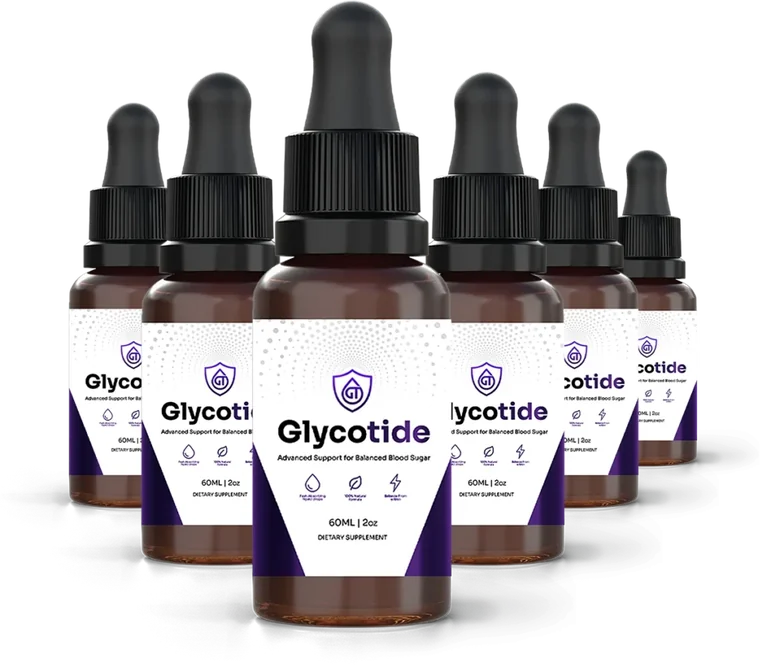
Understanding that loop explains why some blood sugar formulas, including GlycoTide, market themselves on appetite control rather than glucose alone.
The reactive hypoglycemia loop
Eat something that spikes blood sugar quickly — refined carbohydrates, sugary drinks — and insulin is released to bring it back down. In some people that response overshoots, dropping blood sugar below where it started. The body reads that drop as an urgent signal to eat, specifically craving quick carbohydrates to fix it fast.
Eat those carbohydrates, and the same spike-crash cycle repeats. This is the mechanism behind the familiar experience of feeling hungry again an hour after a large, sugary meal despite having eaten plenty of calories.
Why this is not just about willpower
The drive to eat during a glucose dip is a physiological signal, not a character flaw. Blaming cravings on lack of discipline misses that the body is responding to an actual biochemical event. Addressing the swing itself — rather than only resisting the craving it produces — is a more direct route to fewer cravings in the first place.
What flattens the swing, and therefore the hunger
Protein and fat with every carbohydrate. Slows the glucose rise and the subsequent fall, which is the single most effective food-order habit available.
Fibre. Whole foods with intact fibre release glucose more gradually than refined versions of the same food.
Regular meal timing. Long gaps followed by a large meal tend to produce a sharper spike than smaller, more evenly spaced eating.
Sleep. Poor sleep worsens glucose responses to identical meals the next day, which shows up as worse cravings regardless of what you eat.
Where a supplement's appetite claims come from
Ingredients like African Mango and Gymnema are included in formulas such as GlycoTide partly on the theory that supporting steadier glucose handling indirectly supports steadier hunger signals — addressing the loop described above rather than suppressing appetite directly the way a stimulant might.
That is a reasonable mechanism in principle. In practice, with these ingredients unquantified inside a shared 200 mg blend, the effect size for any individual is unpredictable. See our piece on Gymnema specifically for the appetite-relevant detail.
The food-order and sleep habits above have a more direct, better-established effect on this exact cycle than any supplement, liquid or capsule.