Chromium And Metabolic Signalling: What It Actually Does
Chromium is an essential trace mineral involved in insulin signalling, the process that tells cells to take up glucose from the bloodstream.
The evidence for its basic biological role is solid. The evidence that supplementing it produces dramatic effects in people who are not deficient is considerably weaker.
The mechanism
Chromium appears to enhance how effectively insulin's signal is received by cells. When that signalling works well, glucose moves more efficiently out of the bloodstream and into tissue where it is used for energy. The NIH Office of Dietary Supplements fact sheet is worth reading directly.
Where you already get it
Chromium is present in broccoli, whole grains, potatoes, green beans and meat. Frank deficiency is uncommon in people eating a varied diet, and that context matters: the strongest research results for chromium supplementation generally come from populations with low baseline intake, not from generally well-nourished adults.
Why it is the one declared ingredient
Across the blood sugar supplement category, Chromium is disproportionately likely to be the one ingredient with a stated weight on the label, while botanicals sit in an undisclosed blend. That is worth noticing rather than assuming it means chromium is the most important ingredient — it may simply be the cheapest and easiest to standardise and declare.
What the evidence does and does not support
Well supported: chromium is essential and genuinely involved in insulin signalling. Mixed: whether supplementation meaningfully improves glucose control in people who are not deficient — results across studies are inconsistent. Not supported: claims that chromium reverses insulin resistance or produces rapid weight loss on its own.
Applying this to GlycoTide
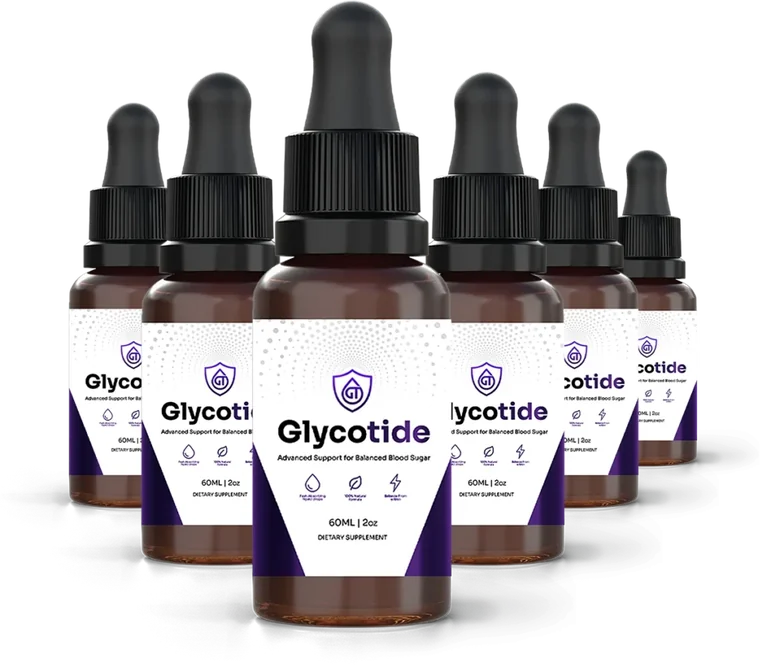
GlycoTide declares Chromium Picolinate separately from its 200 mg botanical blend, which means it is the one ingredient on this label you can actually check against intake guidelines. Whether that amount alone moves the needle depends on whether you were chromium-replete to begin with — which most adults eating a reasonably varied diet already are.